
Breakouts along your jawline before your period? Learn why hormonal acne happens, what triggers it, and effective treatments to help keep your skin clear.
What Makes Acne “Hormonal Acne”
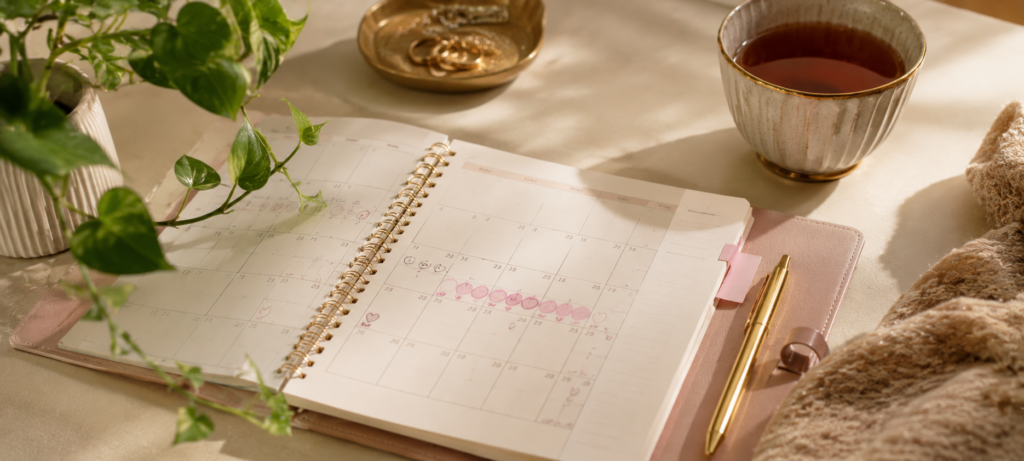
Hormonal acne is triggered by fluctuations in androgens (a group of hormones), which increase oil production and inflammation in the skin. These fluctuations commonly happen around:
- The menstrual cycle
- Pregnancy
- Starting or stopping birth control
- Perimenopause
- Conditions like PCOS (polycystic ovary syndrome)
Recognizing the Hormonal Acne Pattern
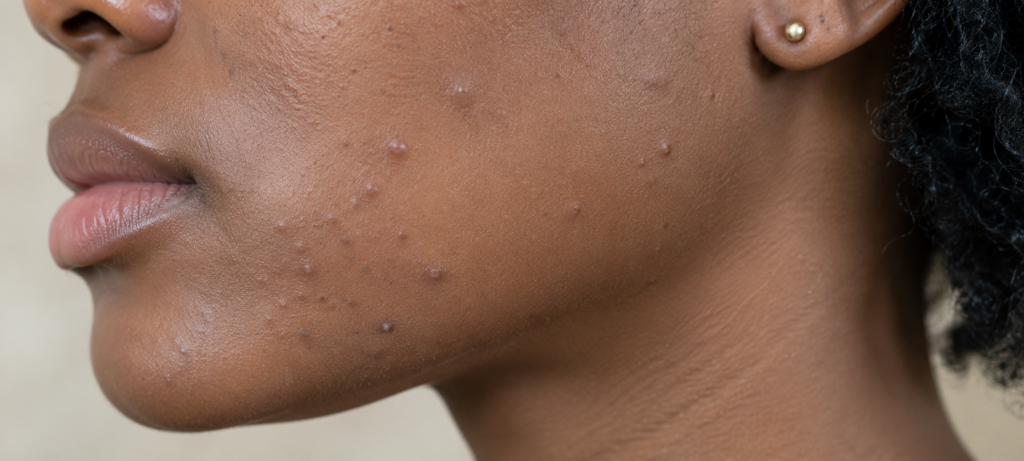
Hormonal acne tends to have a recognizable signature:
- Location — concentrated along the jawline, chin, and lower cheeks, rather than spread across the forehead or nose
- Type — deep, tender, cystic bumps rather than surface whiteheads or blackheads
- Timing — often worsens in the week leading up to your period and improves afterward
- Onset — can appear or worsen in adulthood, even in people who never had noticeable acne as teenagers
Why Hormonal Acne Needs a Different Approach
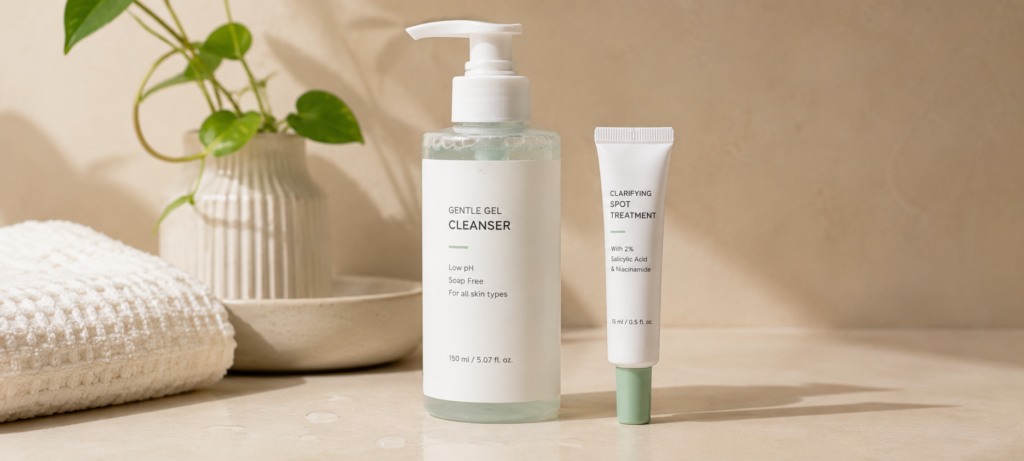
Regular surface-level acne responds well to cleansers and topical treatments alone. Hormonal acne is driven from underneath the skin, which is why cleansers and spot treatments alone often aren’t enough the trigger isn’t sitting on the surface.
Management Approaches
Topical treatments still matter. Salicylic acid helps manage surface oil and clogged pores, while retinoids support skin cell turnover — both are useful even when the root cause is hormonal.
Medical options, discussed with a professional. Depending on your history, options like spironolactone or certain birth control formulations can directly address the hormonal driver — these require a proper consultation, not self-prescribing.
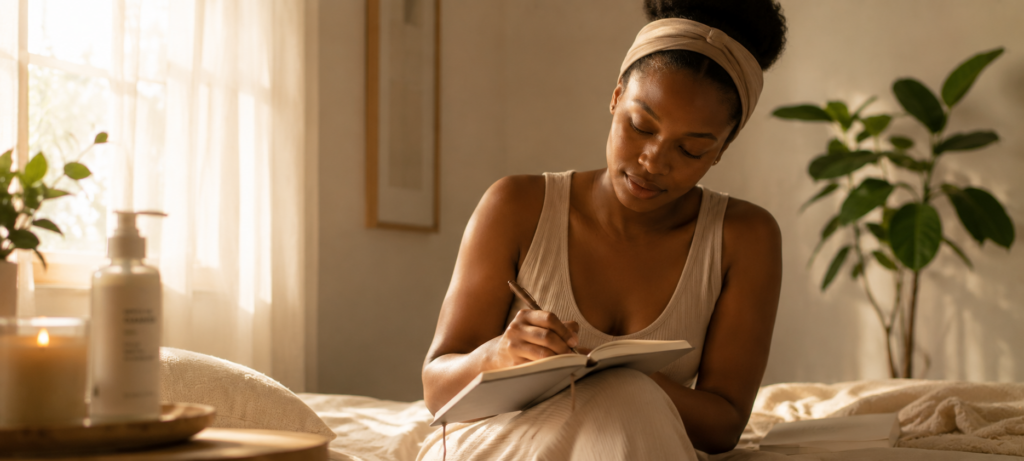
Lifestyle factors. Stress management and consistent sleep genuinely influence hormonal balance and inflammation. Some people also notice a link between high-glycemic or dairy-heavy diets and breakouts, though this varies person to person.
Routine discipline. Avoid over-cleansing or over-exfoliating in response to a flare — this often irritates skin further without addressing the actual cause. Resist picking at cystic bumps, which significantly increases the risk of lasting dark marks.
When to See a Specialist
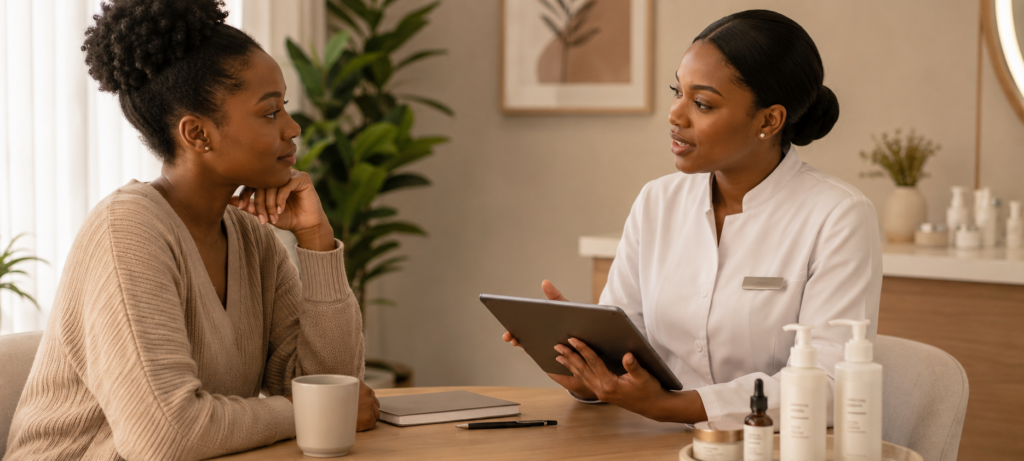
It’s worth booking a consultation if:
- Breakouts are consistently painful, deep, and cystic
- You notice signs that might suggest PCOS — irregular periods, excess hair growth, alongside acne
- Over-the-counter products haven’t made a difference after a few months of consistent use
A professional assessment can identify whether a topical routine adjustment is enough, or whether an internal, hormone-focused approach is needed alongside it.
Frequently Asked Questions
Is hormonal acne only something teenagers deal with? No — it’s actually very common in adult women, often appearing for the first time or worsening in your 20s, 30s, and beyond.
Will regular acne products work on hormonal breakouts? They can help manage the surface symptoms, but persistent hormonal acne often needs an approach that also addresses the internal hormonal trigger.
Does diet actually cause hormonal acne? Diet alone doesn’t cause it, but for some people, high-glycemic foods or dairy can worsen breakouts. It’s worth tracking your own pattern rather than assuming it applies universally.